
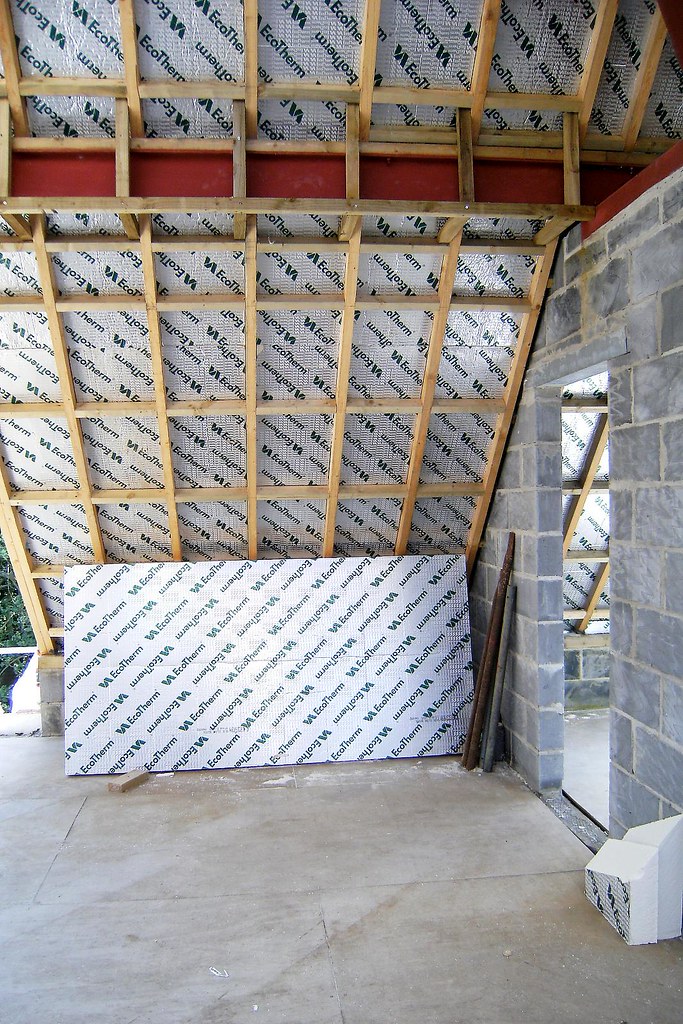
Why Standard Insulation Specs Don't Always Work in Sharjah
Sharjah's climate combines two challenges that many insulation products aren't designed for at the same time: extreme summer heat that regularly exceeds 45°C, and high coastal humidity, especially along the Gulf side of the emirate. Insulation that performs well in a dry desert climate can trap moisture and degrade quickly in humid conditions, while materials chosen only for humidity resistance may not deliver enough thermal resistance to meaningfully cut cooling costs.
Getting the specification right matters — roofs and external walls are responsible for a large share of the cooling load in UAE buildings, and Sharjah's building regulations increasingly require compliance with energy efficiency frameworks such as Estidama and Al Sa'fat.
Key Factors That Affect Insulation Performance in Sharjah
Thermal Resistance (R-Value)
The higher the R-value, the more a material resists heat transfer. Roofs, which absorb direct sun for most of the day, generally need higher R-values than walls. For flat commercial roofs common in Sharjah's industrial areas, under-specifying roof insulation is one of the most common — and expensive — mistakes we see.
Moisture and Vapor Resistance
Humidity near the coast and during the summer months can degrade insulation that isn't vapor-resistant, leading to mold growth and reduced performance over time. Closed-cell materials generally handle moisture better than open-cell alternatives.
Fire Performance
UAE Civil Defence codes set fire classification requirements for insulation used in different building types. Always confirm a product's fire rating certificate before specifying it for a commercial or high-rise project.
Common Insulation Materials Used in UAE Projects
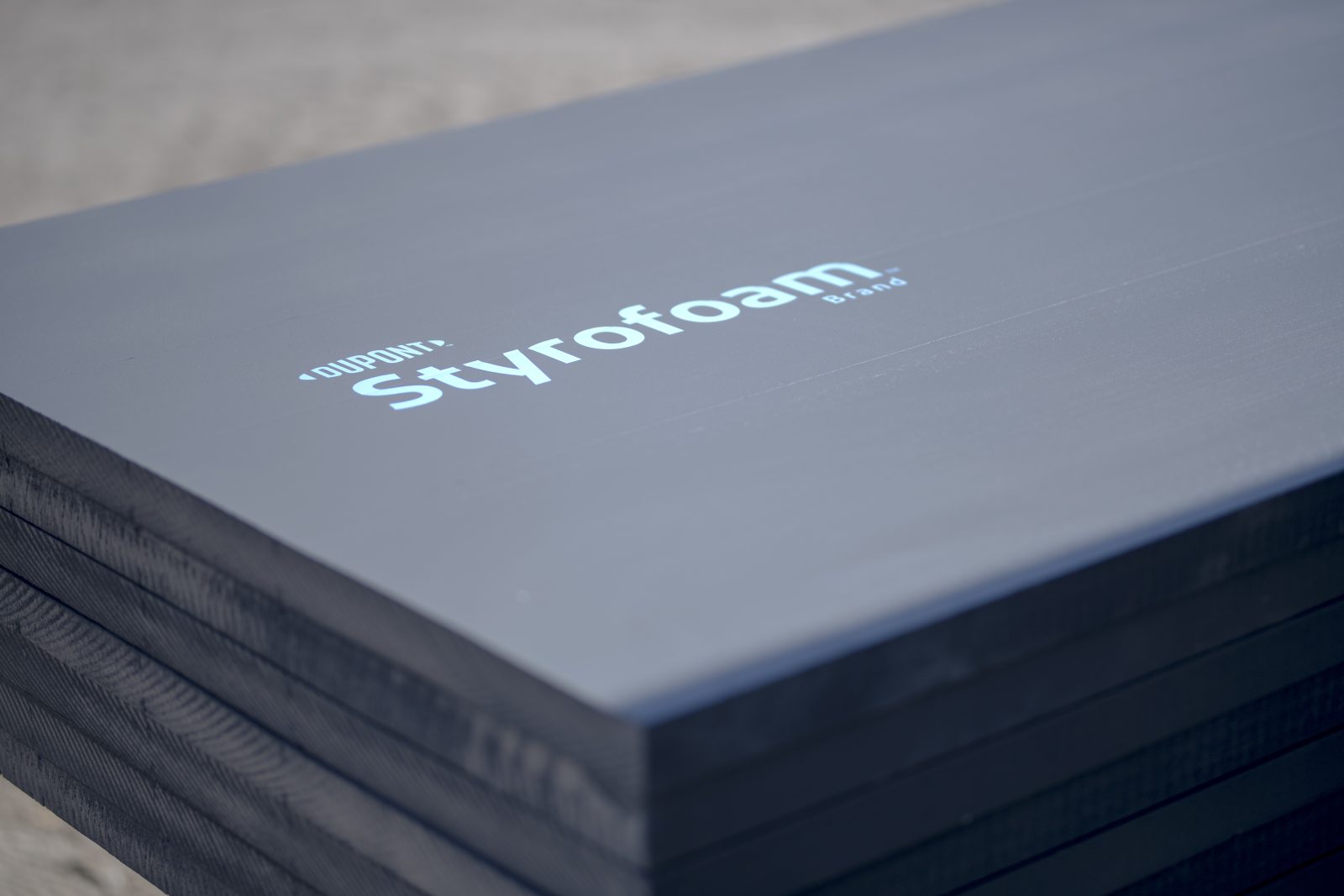
- Extruded Polystyrene (XPS) — high compressive strength and moisture resistance, popular for flat roofs and podium decks.
- Expanded Polystyrene (EPS) — cost-effective, lightweight, widely used in wall systems and under-tile roof insulation.
- Rockwool / Mineral Wool — strong fire resistance and acoustic performance, common in commercial partition walls and plant rooms.
- Polyurethane (PU) Foam — sprayed or rigid board form, offering some of the highest R-values per millimeter, useful where roof buildup height is limited.
Insulation Recommendations by Building Type
Villas and Residential Buildings
Roof and cavity wall insulation using EPS or PU board, paired with a reflective radiant barrier, typically delivers a strong balance of cost and cooling savings for Sharjah villas.
Warehouses and Industrial Sheds
Metal-clad warehouses lose and gain heat quickly through the roof sheet. PU sandwich panels or rockwool insulation between purlins significantly reduces internal temperature swings and protects stored goods.
Commercial and Retail Fit-Outs
Combining rockwool wall insulation with acoustic treatment addresses both thermal performance and noise control in offices and retail units.
How Al Namariq Group Supports Insulation Projects in Sharjah
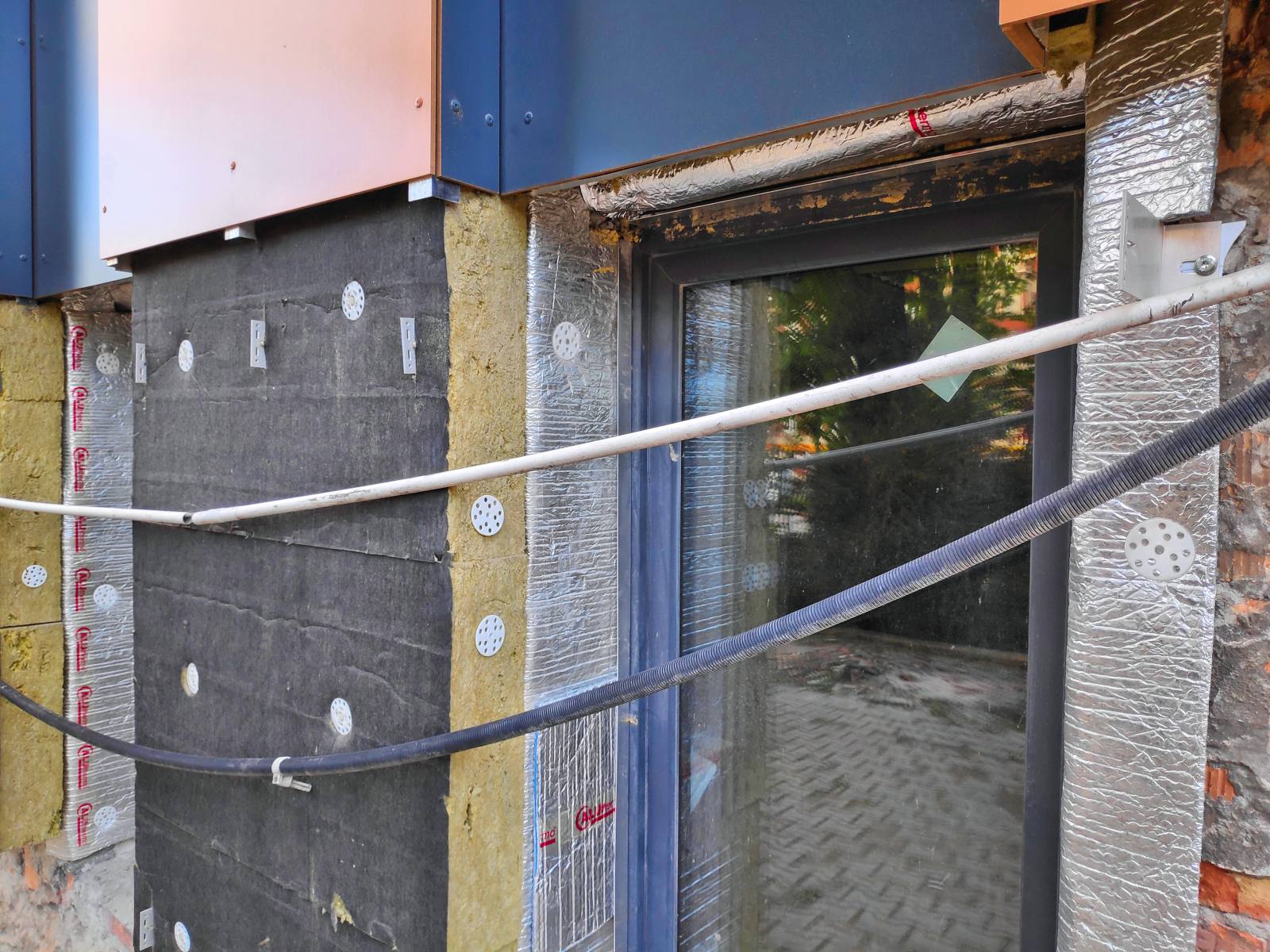
Our Insulation division supplies and installs thermal insulation systems engineered for the UAE's specific heat and humidity profile, sourced from manufacturers with regional fire and thermal performance certification. We can assess an existing building envelope or work from your architect's drawings to recommend the right material and thickness for each application.

Login to comment
To post a comment, you must be logged in. Please login. Login
Comments (0)