
Sizing a Pump Is a Selection Problem, Not a Guessing Game
The single biggest mistake we see in the UAE market isn't a bad pump — it's the right pump installed in the wrong application. A pump sized for a two-bedroom villa will underperform in a small apartment building, and a pump designed for continuous commercial duty is often needlessly expensive (and oversized) for a single home. Choosing correctly comes down to matching flow rate, pressure, duty cycle and power supply to how the building actually uses water.
Residential Applications: Villas and Small Buildings
Booster Pumps for Villas
Most Sharjah and Dubai villas run on a rooftop tank feeding a booster pump that pressurizes the household supply. Sizing here depends on the number of bathrooms and outlets likely to run simultaneously — a 3-4 bedroom villa with 3-4 bathrooms typically needs a booster pump delivering somewhere in the range of 1-2 bar of boosted pressure at a flow rate matched to two or three fixtures running at once, not every tap in the house firing together.
Submersible Pumps for Boreholes and Deep Tanks
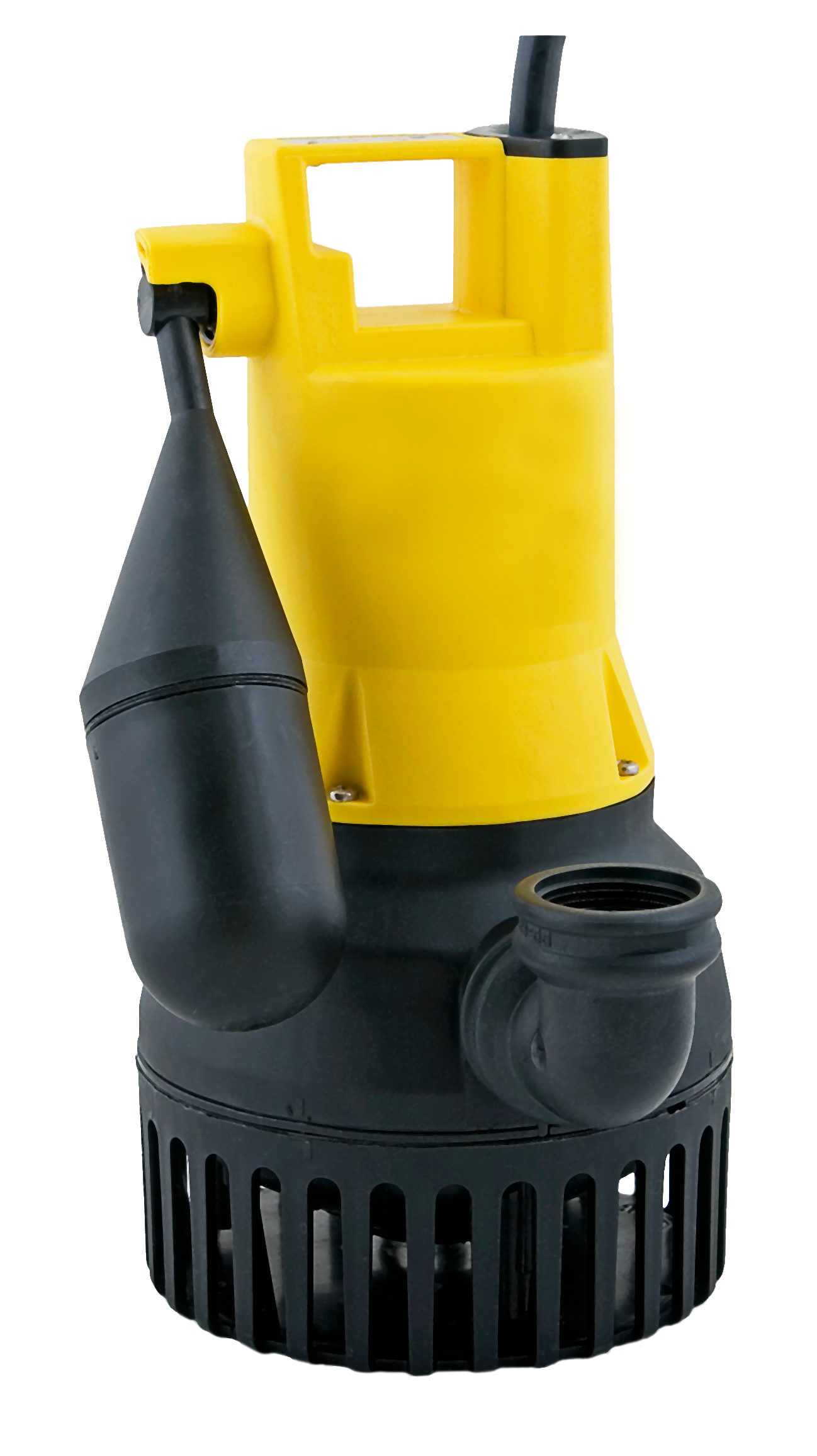
Where a property draws from a borewell or a deep underground tank, a submersible pump — sealed and designed to run fully underwater — is the correct choice over a surface-mounted unit. Submersibles avoid priming issues and handle suction lift limitations that surface pumps struggle with beyond a few meters of vertical lift.
Apartment Buildings: Pressure Systems That Serve Multiple Units
A single villa booster pump does not scale to a mid-rise residential building. Apartment blocks need a pressure system — typically a multi-stage pump set with a hydropneumatic tank, sized to maintain consistent pressure to the top floor while multiple units draw water at the same time. Two sizing questions matter most here:
- Peak simultaneous demand — how many units, and how many fixtures per unit, are realistically drawing water during a morning peak?
- Static head — how many floors and how much vertical lift does the pump need to overcome to maintain pressure at the highest outlet?
Undersized building pressure systems are a common cause of weak pressure on upper floors, and oversized ones waste energy and shorten pump life through excessive cycling.
Commercial and Industrial: Flow Rate and Duty Cycle Come First
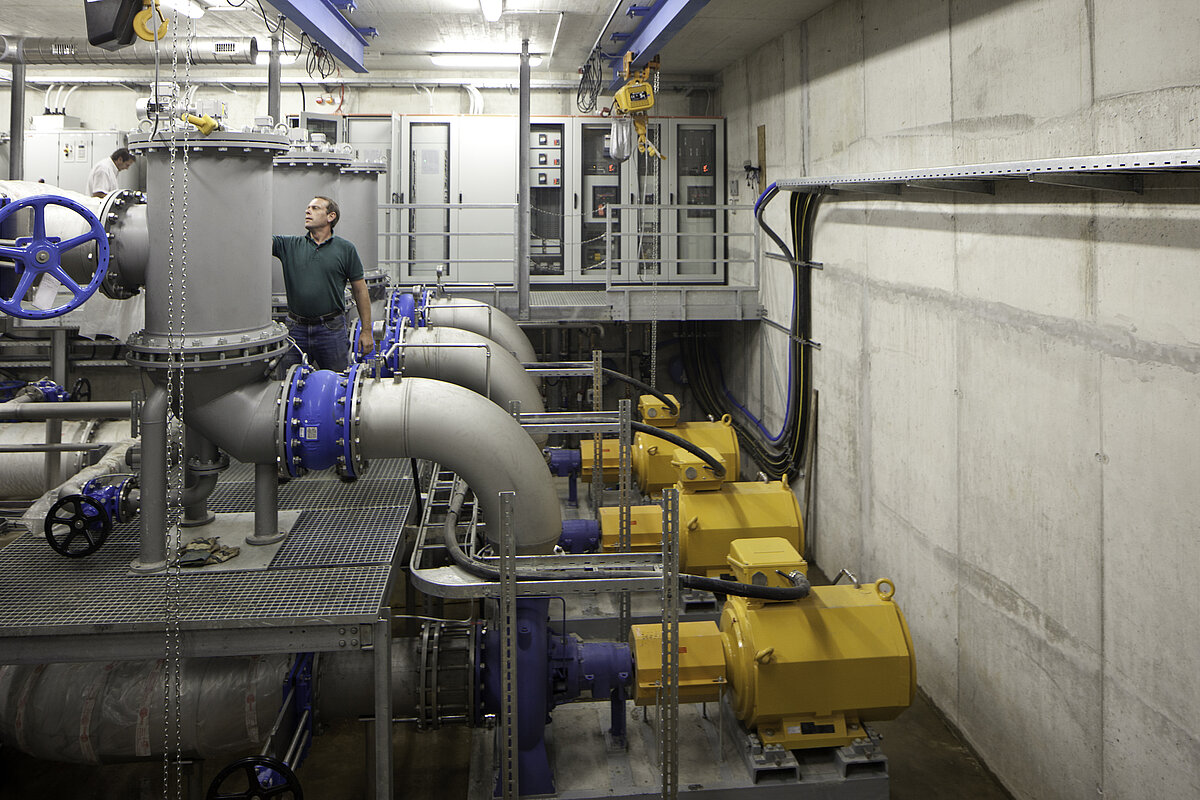
Commercial and industrial buildings — hotels, factories, warehouses, irrigation systems — introduce a variable that residential sizing rarely deals with: duty cycle. A pump destined for continuous or near-continuous operation needs to be rated for that duty, not just sized for peak flow. Running a residential-grade pump continuously in a commercial setting is one of the fastest ways to shorten its service life dramatically.
Commercial sizing typically starts from a facility's actual flow-rate requirement in liters per minute or cubic meters per hour, cross-checked against the pump's performance curve at the required pressure — not just its maximum-rated output on a spec sheet.

Submersible vs. Surface-Mounted: Which Fits Your Site?
- Submersible pumps — best for boreholes, deep sumps, and drainage applications where the pump sits below the water line; quieter in operation and not limited by suction lift.
- Surface-mounted pumps — best where the water source is close to ground level (rooftop tanks, ground tanks with short suction runs); easier to access for maintenance and generally lower upfront cost for shallow applications.
Single-Phase vs. Three-Phase: A Power Supply Decision, Not Just a Pump One
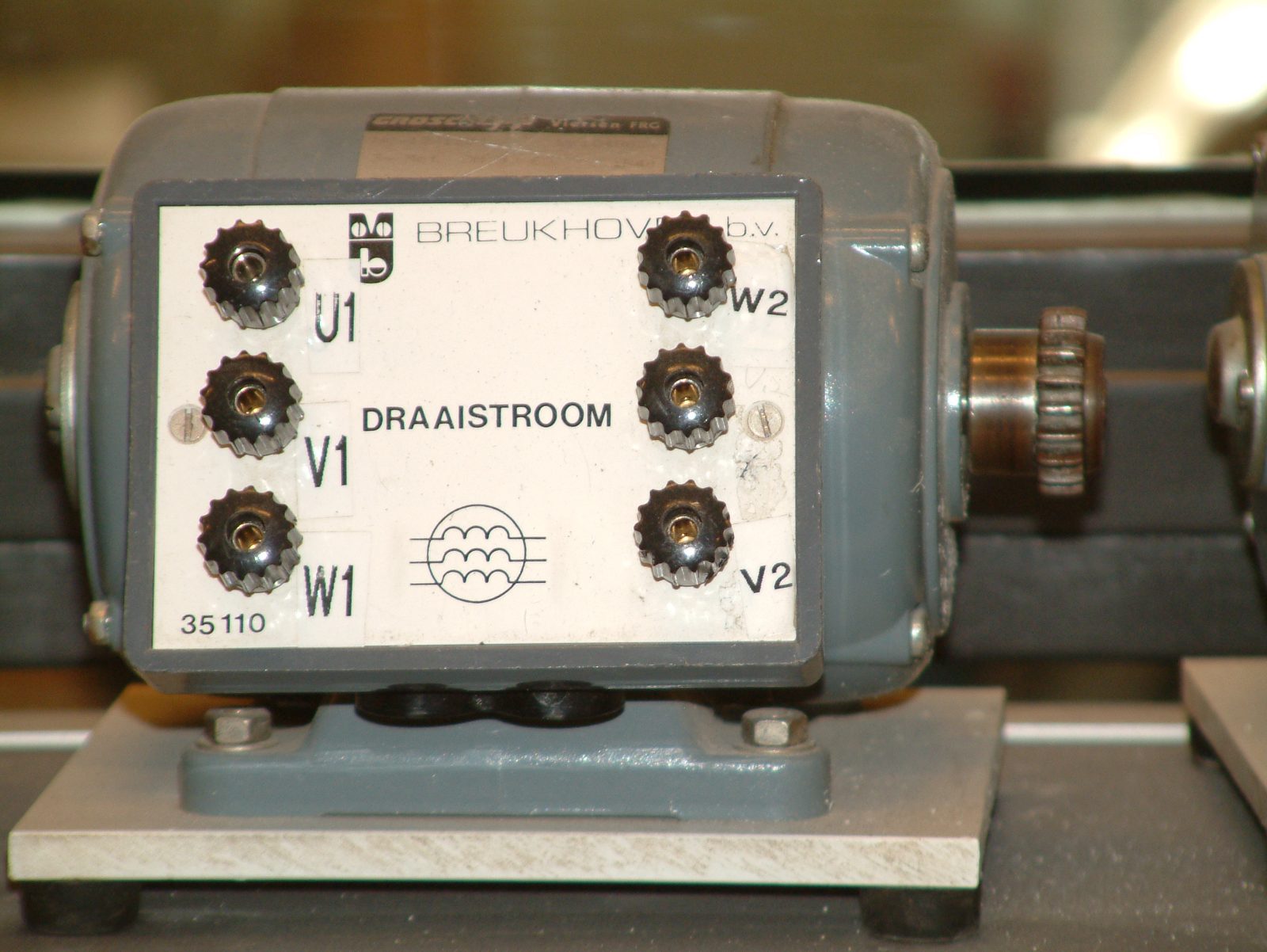
Most UAE villas run on single-phase power, which limits residential booster and submersible pumps to single-phase motor options — generally adequate up to a few horsepower. Commercial and industrial pumps, particularly anything drawing significant continuous load, are almost always specified as three-phase, which delivers smoother, more efficient operation at higher power ratings and is standard in commercial buildings already wired for three-phase supply. Confirming what power supply is actually available on site — before ordering a pump — avoids a costly mismatch at installation.
A Quick Sizing Checklist
- What is the water source — rooftop tank, ground tank, borewell, municipal supply?
- How many outlets could realistically run at the same time at peak demand?
- What vertical lift (static head) does the pump need to overcome?
- Is the application continuous-duty (commercial/industrial) or intermittent (residential)?
- What power supply is available — single-phase or three-phase?
How Al Namariq Group's Pump Division Can Help
Our Pump Division supplies and installs Valeri pumps across residential, commercial and industrial applications throughout the UAE — from villa booster sets and borehole submersibles to multi-stage building pressure systems and continuous-duty industrial pumps. Our team can review your property or facility's water demand, power supply and site conditions, and recommend a correctly sized Valeri pump rather than a generic, one-size-fits-all unit. Get in touch with our team before you buy to make sure the pump you're considering actually matches how your building uses water.

Login to comment
To post a comment, you must be logged in. Please login. Login
Comments (0)