
Choosing a Material Is Only Half the Problem
UAE building owners and contractors typically already know the shortlist of insulation materials — XPS, EPS, rockwool, PU foam. What's less understood is how those materials actually perform once installed on a roof that regularly exceeds 45-50°C surface temperature for months at a time, under intense UV exposure, year after year. Two materials with similar R-values on a datasheet can diverge sharply in real-world performance after five summers in Sharjah or Dubai. This is about performance under sustained extreme heat, not material selection from scratch.
How Materials Behave Above 45°C
Roof surface temperatures in direct UAE summer sun regularly exceed ambient air temperature by 20-30°C, meaning insulation installed directly under roofing membranes can sit at 60-70°C for extended periods. At sustained high temperatures:
- EPS can soften and lose some dimensional stability if exposed to prolonged heat near its upper service limit, particularly darker-colored or unprotected boards under direct sun before waterproofing is applied.
- XPS generally holds dimensional stability better than EPS at sustained high temperatures and resists moisture uptake, which is why it remains the default choice for flat roofs and podium decks in the region.
- Rockwool is effectively unaffected by heat within normal building service temperatures — its mineral fiber structure doesn't soften or degrade thermally, which is part of why it also carries strong fire ratings.
- PU foam performs well thermally but is more sensitive to UV exposure than XPS if left uncovered — it needs a protective membrane or coating applied promptly after installation.
UV and Long-Term Thermal Degradation
Beyond peak temperature, the UAE's UV intensity accelerates the breakdown of unprotected foam insulation over time — surface embrittlement, discoloration and a gradual loss of insulating performance at the exposed face. This is why proper installation sequencing matters as much as material choice: foam boards left exposed to direct sun for extended periods before waterproofing or cladding is applied will degrade faster than the same product installed and protected promptly. Rockwool, by contrast, is largely immune to UV degradation, which is one reason it holds up well in ventilated cavity applications where full protection isn't always practical.

Reflective and Radiant Barrier Systems: A Heat-Specific Solution
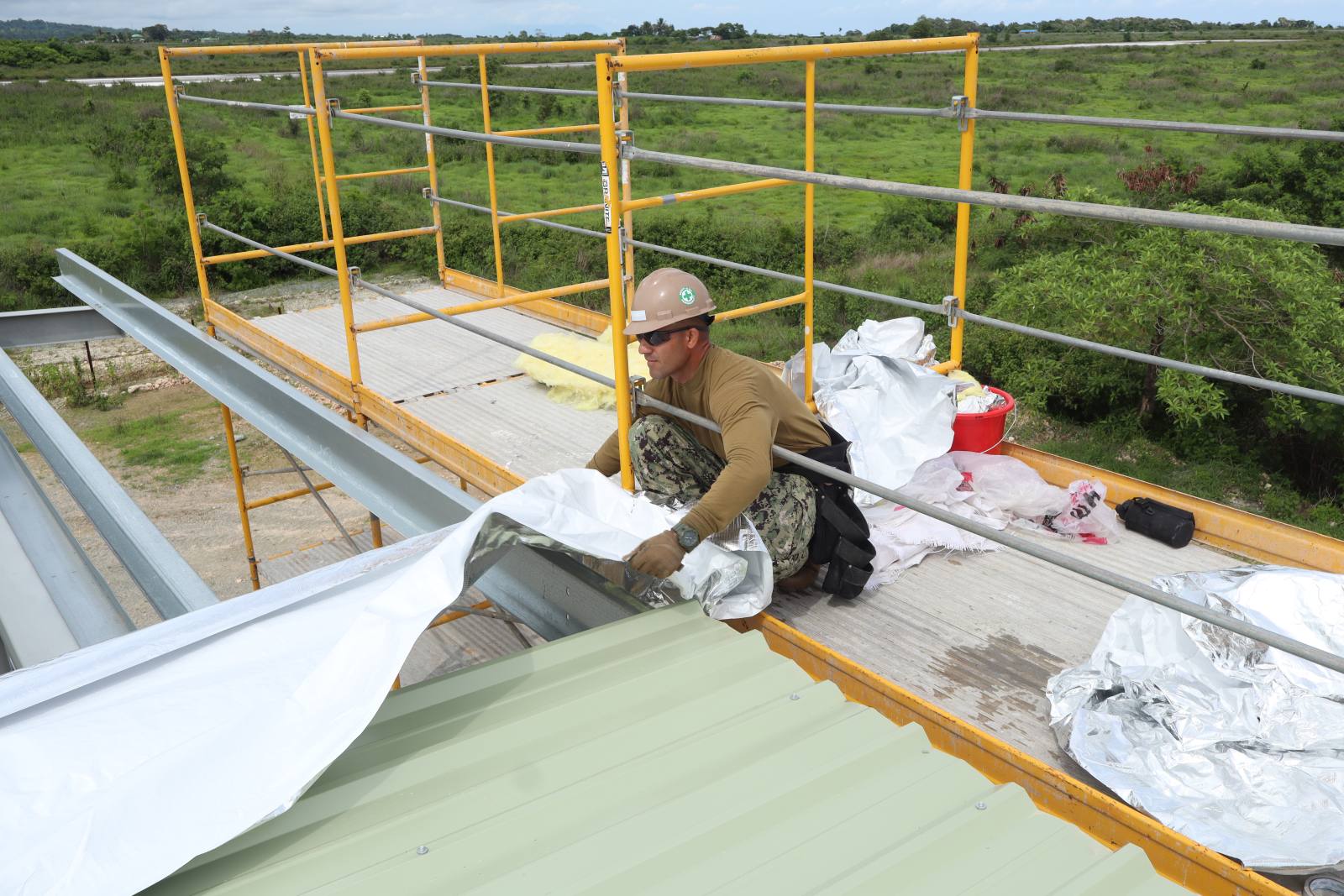
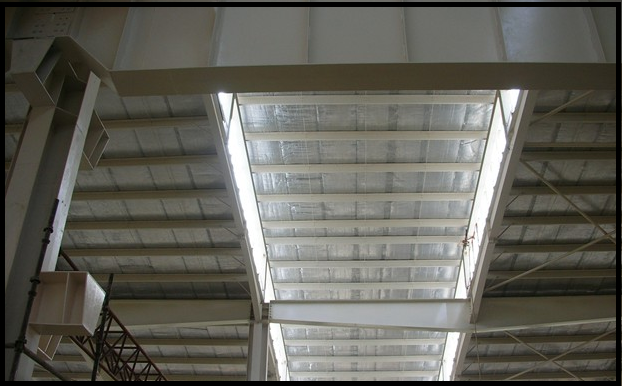
Standard insulation resists heat transfer by conduction; reflective and radiant barrier systems tackle a different mechanism — radiant heat — by reflecting infrared energy away from the building envelope before it's absorbed. A radiant barrier (typically a foil-faced membrane) installed with an air gap facing the roof deck can meaningfully cut the radiant heat load reaching the insulation layer beneath it, which is particularly effective on metal-clad warehouse roofs where surface temperatures run highest. Radiant barriers work best as a complement to conventional insulation, not a replacement for it — insulation slows conducted heat, the radiant barrier reduces what reaches it in the first place.
Practical Takeaways for Extreme-Heat Performance
- Don't leave foam board insulation exposed to direct sun longer than necessary before protective covering is applied
- On metal-clad roofs, pair a radiant barrier with conventional insulation rather than relying on either alone
- For flat roofs with long service-life expectations, XPS's dimensional stability under heat generally outperforms EPS
- Verify UV and thermal aging data from the manufacturer, not just the initial R-value, for any product going on an exposed roof
How Al Namariq Group's Insulation Division Can Help
We specify and install insulation systems selected for how they hold up under sustained UAE summer heat and UV exposure, not just their datasheet R-value, and can recommend radiant barrier and reflective solutions for roofs where heat gain is most severe. Get in touch with our team before your next roof or facade project goes to tender.

Login to comment
To post a comment, you must be logged in. Please login. Login
Comments (0)