Industrial Insulation Is a Different Discipline From Building Envelope Insulation
Insulating a warehouse roof or office wall is about keeping a space comfortable and cutting a utility bill. Industrial insulation solves a different set of problems — protecting process equipment, keeping pipework and ductwork at the temperature the process requires, preventing energy loss across a facility's mechanical systems, and keeping personnel safe around hot surfaces. UAE manufacturing plants, cold storage facilities, food processing sites and mechanical plant rooms all depend on it, often as a safety and process-integrity issue as much as a cost one.
Pipe and Duct Insulation
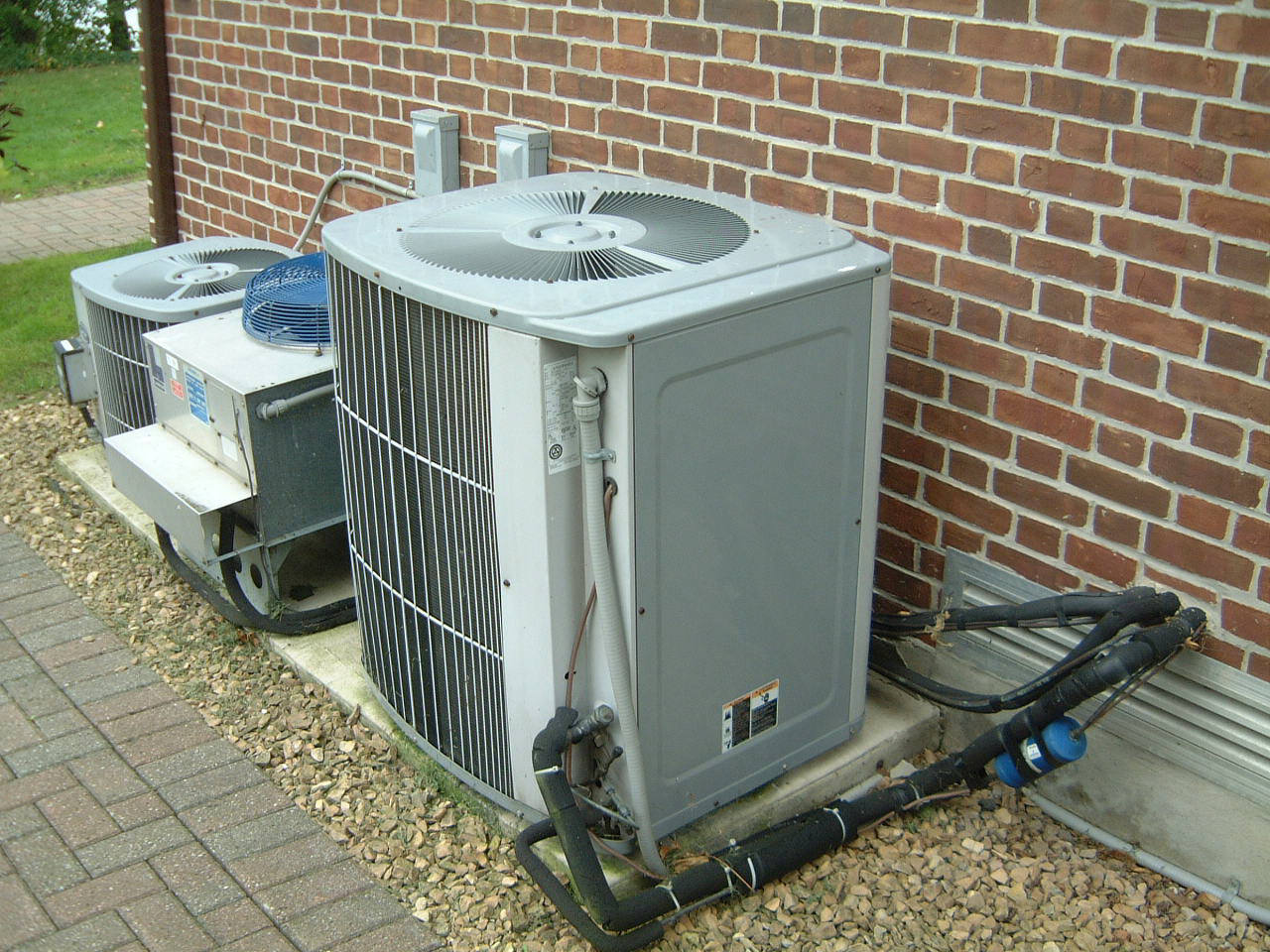
Hot and chilled water pipework, steam lines and HVAC ductwork all lose energy to the surrounding air if left uninsulated, and that loss compounds across a facility running 24/7. Insulating pipework with mineral wool, calcium silicate or closed-cell elastomeric foam (commonly known by trade names like Armaflex) reduces heat loss on hot lines and prevents condensation and heat gain on chilled lines — condensation on an uninsulated chilled pipe isn't just an efficiency loss, it's a standing water and corrosion problem waiting to happen in a UAE plant room.
Cold Storage and Refrigeration Insulation
Cold rooms, walk-in freezers and refrigerated warehouses depend on a well-sealed, correctly specified insulated envelope to hold temperature efficiently — every gap or thermal bridge in an insulated panel system forces the refrigeration plant to work harder and shortens equipment life. PU insulated sandwich panels are the standard for cold storage construction in the UAE because they combine high R-value per millimeter with a vapor-sealed surface that resists moisture ingress, critical in a humid coastal climate where any breach in the vapor barrier quickly leads to ice buildup and reduced insulation performance.
Equipment and Machinery Thermal Protection
Process equipment — boilers, tanks, exchangers, compressors — often needs insulation not just for energy efficiency but to keep the process itself stable, maintaining consistent temperatures for chemical, food or industrial processes that are sensitive to fluctuation. Removable, reusable insulation jackets are increasingly used on equipment that needs periodic maintenance access, avoiding the need to cut and replace rigid insulation every time a valve or fitting needs servicing.
Personnel Safety: Burn Protection on Hot Pipework
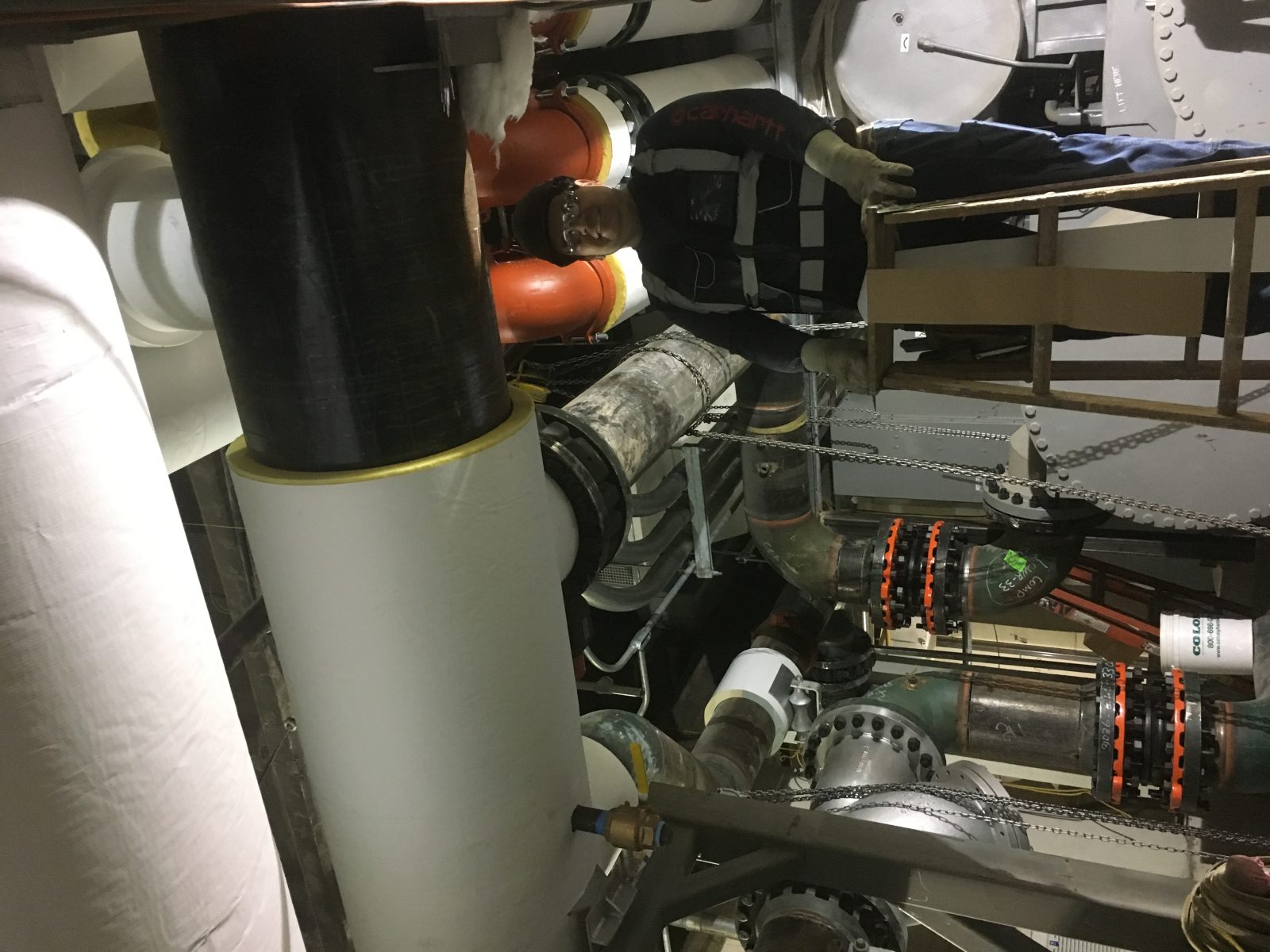
Uninsulated steam and hot water pipework can reach surface temperatures well above the threshold for a serious contact burn, and in industrial and facilities settings where personnel work around exposed pipe runs, insulation is a safety requirement, not an optional upgrade. UAE workplace safety regulations expect exposed hot surfaces in reach of personnel to be guarded or insulated, and a properly jacketed pipe run also protects the insulation itself from mechanical damage during routine maintenance.
Where Industrial Facilities Lose the Most Energy
- Uninsulated or damaged pipe and duct runs, especially at valves, flanges and fittings that are often left bare during initial installation
- Cold storage doors and panel joints that aren't properly sealed against the surrounding ambient heat
- Equipment insulation removed for maintenance and never correctly reinstated
- Thermal bridging through uninsulated structural steel supports penetrating an insulated envelope
How Al Namariq Group's Insulation Division Can Help
Our Insulation division supplies and installs pipe, duct, equipment and cold storage insulation for industrial and commercial facilities across the UAE, and can carry out a facility walk-through to identify where energy is being lost through gaps, damaged lagging or missing equipment insulation. If your facility has exposed hot pipework or rising energy costs from an uninsulated mechanical system, our team can assess what needs attention first.


Comments (0)