
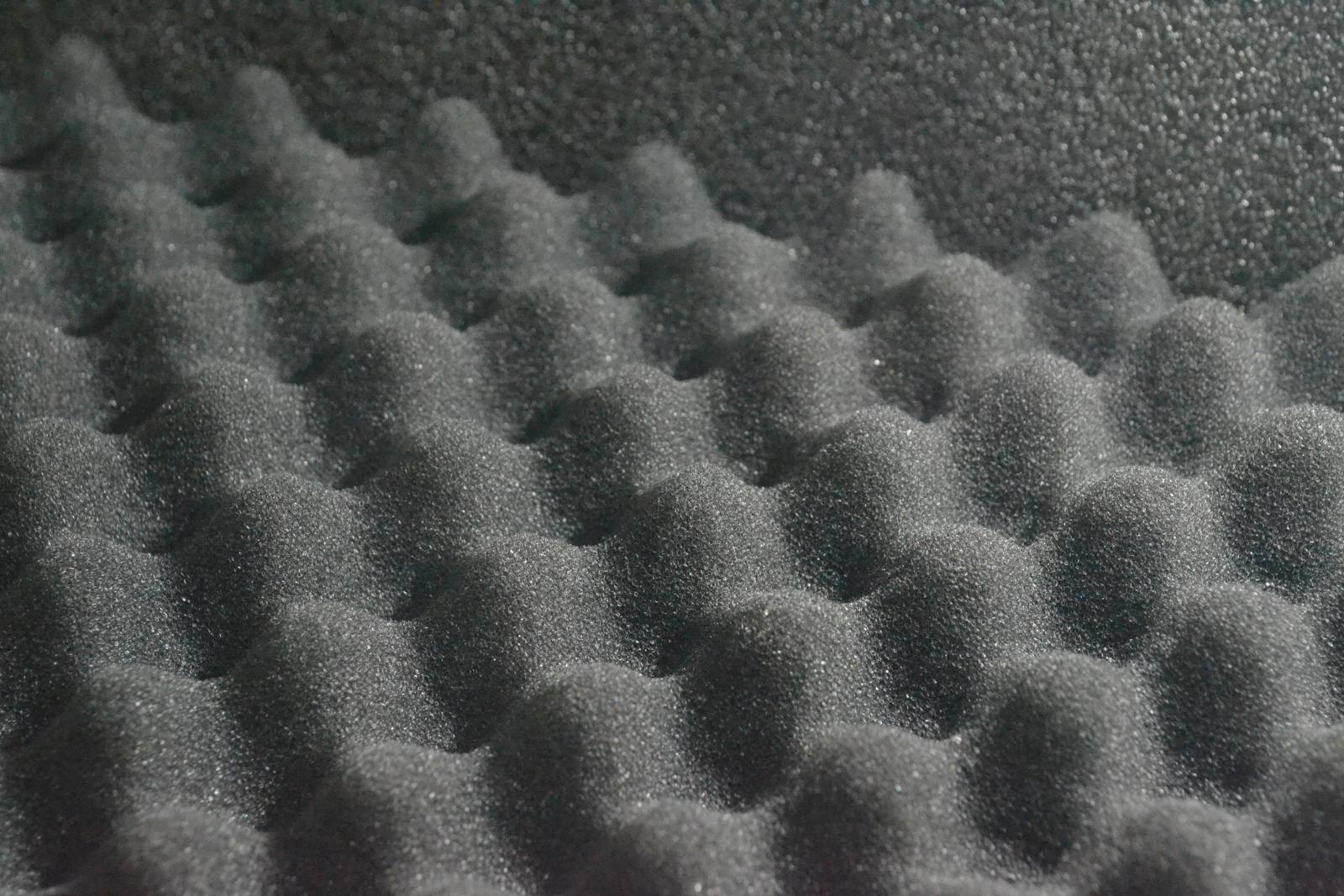
Two Different Jobs Often Confused as One
"Insulation" gets used as a catch-all term in the UAE construction industry, but thermal insulation and acoustic insulation solve two completely different physics problems. Thermal insulation slows the transfer of heat energy through a material. Acoustic insulation absorbs or blocks sound waves. A material that excels at one doesn't automatically do the other, and specifying the wrong one — or assuming one gives you both — is one of the most common and expensive mistakes we see on UAE fit-out and residential projects.
The Physics: Heat Transfer vs. Sound Waves
Heat moves through a material by conduction, convection and radiation, and thermal insulation works by trapping still air (or another low-conductivity gas) in small cells or fibers to slow that transfer. Sound, on the other hand, is a pressure wave that travels through air and solid materials alike. Blocking or absorbing it depends on mass, density, air gaps and a material's ability to dampen vibration — properties that have little to do with how well a material resists heat flow.
The Metrics That Actually Matter
Thermal Performance: R-Value
R-value measures resistance to heat flow — higher is better. It's the number that matters when you're trying to keep a Sharjah roof or wall from transferring summer heat into a conditioned space.
Acoustic Performance: NRC and STC
Acoustic materials are rated on two different scales. Noise Reduction Coefficient (NRC) measures how much sound a material absorbs within a room — relevant for reducing echo and reverberation. Sound Transmission Class (STC) measures how much sound a wall, floor or ceiling assembly blocks from passing through to the other side — relevant for privacy between rooms or units. A material can have a high NRC and a low STC, or vice versa, so it's worth checking which rating actually applies to your problem before specifying anything.

Where You Need Thermal, Acoustic, or Both
- Flat roofs and external walls — thermal insulation is the priority; sound transmission through a roof is rarely the concern
- Cinema rooms, music studios, and executive boardrooms — acoustic performance (high STC for isolation, controlled NRC for room acoustics) matters far more than R-value
- Shared party walls between villas or apartments — acoustic insulation is the priority, since thermal loss through an internal wall is minimal
- Plant rooms and mechanical spaces — often need both: thermal protection for equipment and acoustic control to limit noise transfer to occupied areas nearby
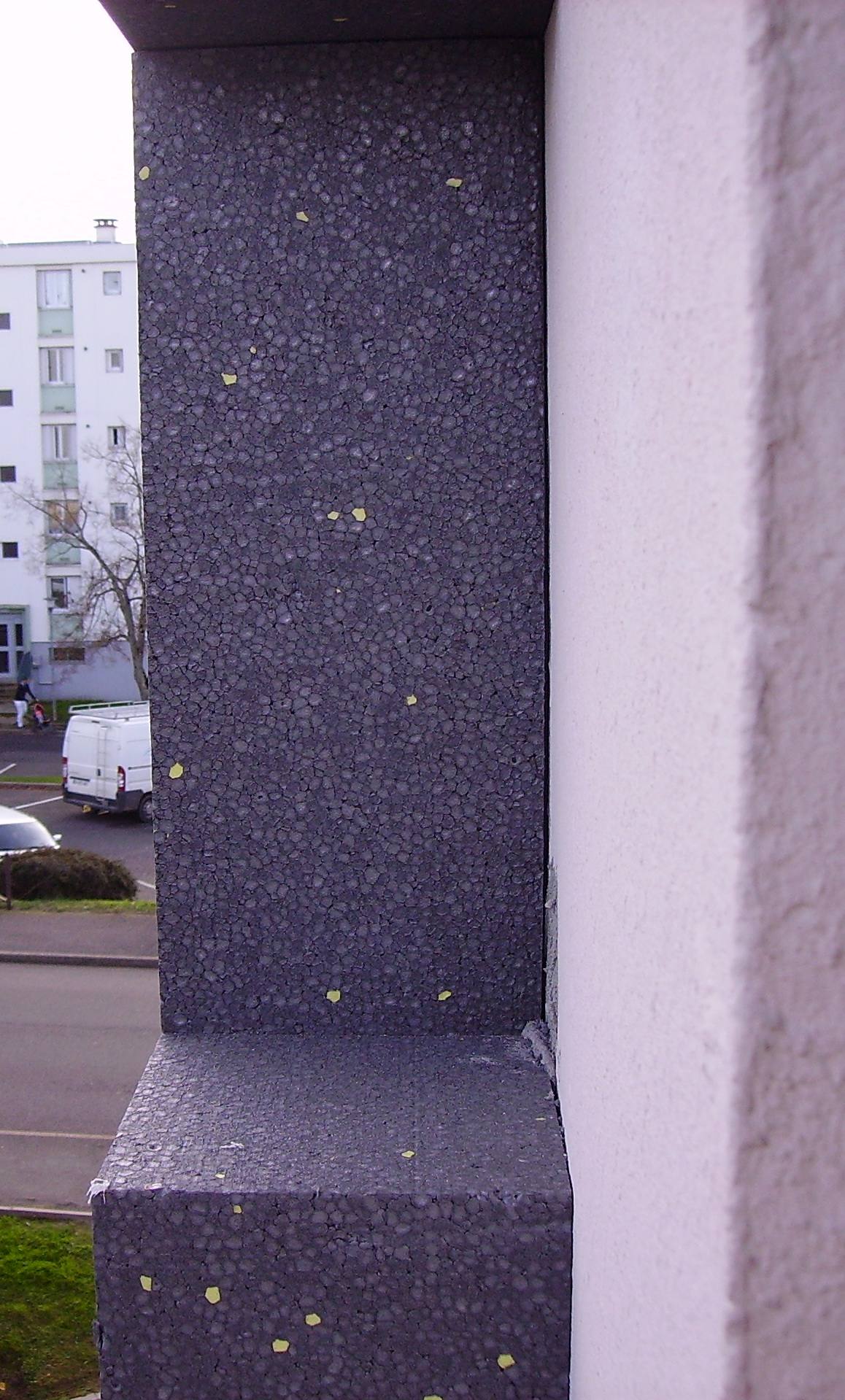
The Common Mistake: Assuming Thermal Insulation Soundproofs a Room
Rockwool and mineral wool do offer meaningful acoustic benefit alongside thermal performance, which is why they're popular in commercial partition walls. But rigid foam boards like XPS, EPS and most PU foam — excellent thermal performers — do very little to block or absorb sound on their own. A homeowner who insulates a roof for heat and expects it to also quiet down a home cinema below will usually be disappointed. If acoustic performance matters, it needs to be specified separately, with the right NRC or STC target in mind, not assumed as a side effect of thermal work.
How Al Namariq Group's Insulation Division Can Help
We supply and install both thermal and acoustic insulation systems across the UAE, and can help you work out which one — or which combination — actually solves the problem you're trying to fix, whether that's a hot roof, a noisy shared wall, or a plant room that needs both. Talk to our team before you specify a material based on the wrong rating.

Login to comment
To post a comment, you must be logged in. Please login. Login
Comments (0)