
Buying Ceiling Tiles Is a Spec Decision, Not Just a Look Decision
It's easy to choose ceiling tiles on appearance alone and only discover the mismatch later — a tile that doesn't fit the existing grid, lacks the required fire class for the occupancy, or can't handle a washroom's humidity. This is a buyer's checklist, not a systems overview — if you need to understand how gypsum, mineral fiber, metal and PVC ceiling systems differ structurally, that's covered elsewhere on our blog. Here, we're focused purely on what to check before you place a tile order for a commercial space.
The Checklist
1. Tile Size and Module
Standard commercial grid modules in the UAE are typically 600x600mm, with 1200x600mm and 300x300mm also in use. Confirm the exact module your grid is (or will be) built to before ordering — mismatched sizing is the single most common reordering mistake on fit-out projects.
2. Edge Profile
Tegular, square-edge and bevelled-edge tiles sit differently in the grid and produce a noticeably different ceiling appearance. Square-edge tiles sit flush with the grid face; tegular tiles recess slightly, giving a shadow-line look. Mixing edge profiles within one visible ceiling plane looks unfinished.
3. NRC / Acoustic Rating
The Noise Reduction Coefficient (NRC) tells you how much sound a tile absorbs versus reflects. Open-plan offices and meeting rooms generally benefit from an NRC of 0.7 or higher; back-of-house corridors and storage areas can use lower-rated, cheaper tiles without a noticeable comfort trade-off.
4. Fire Class
Confirm the tile's fire performance certificate matches what the building's occupancy classification requires under UAE Civil Defence rules — this is non-negotiable for escape routes, corridors and public assembly spaces, and worth confirming before tiles are ordered, not after they're delivered.
5. Humidity Rating
Standard mineral fiber tiles sag and stain in humid, poorly ventilated spaces. Washrooms, kitchens and covered outdoor-adjacent areas need a humidity-resistant or moisture-rated tile — check the manufacturer's relative humidity tolerance, not just a general "wet area" label.

6. Matching Tiles to an Existing Grid
For renovation or partial replacement projects, take the grid's brand and profile (exposed tee width is usually 15mm or 24mm) to your supplier before ordering tiles — a tile sized for a different tee width won't sit flush, and won't be obvious until installation is underway.
7. Light Fixture and Diffuser Cutouts
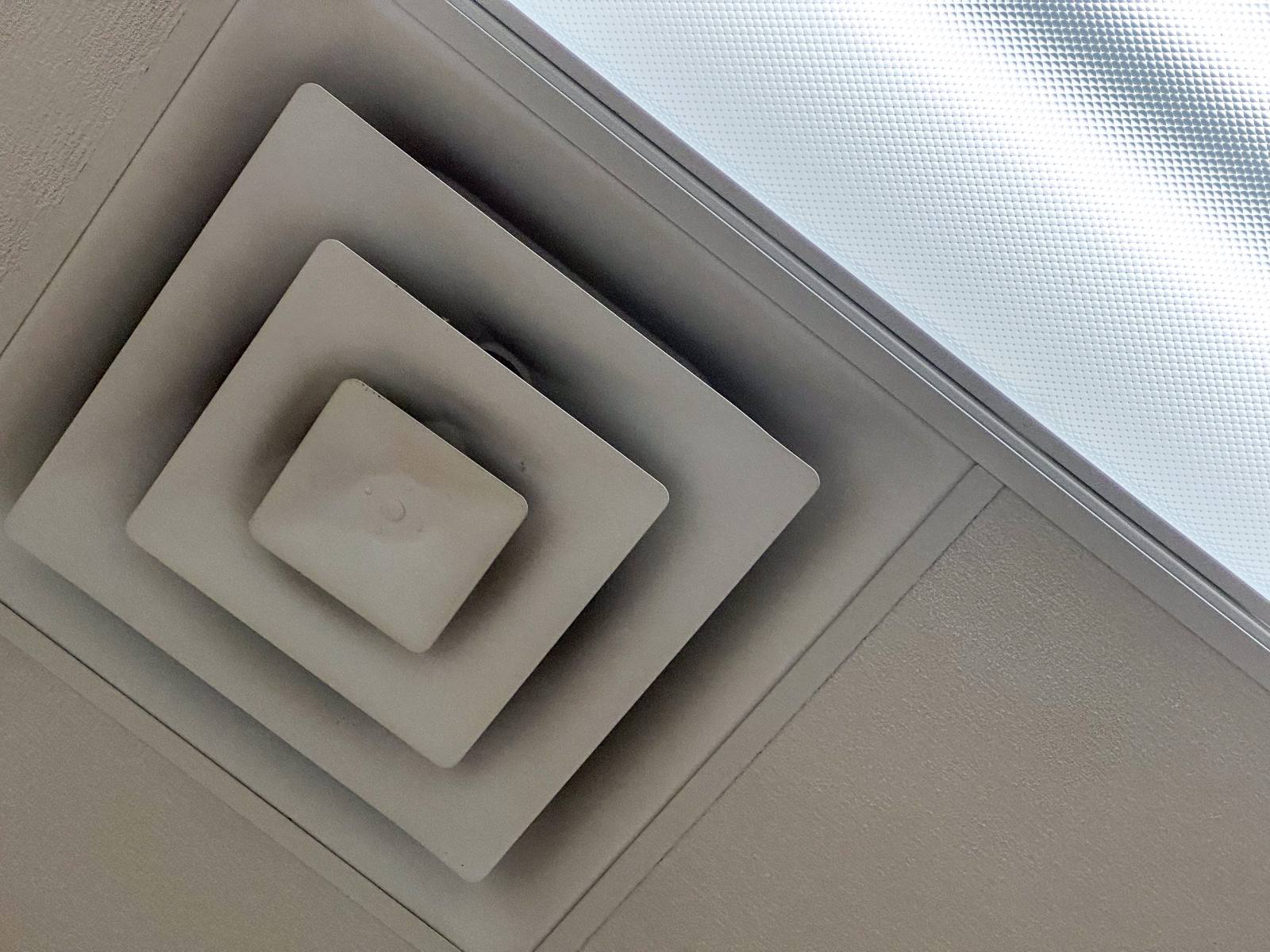
Confirm whether tiles need to accommodate recessed lighting, HVAC diffusers or sprinkler heads before ordering — factory-cut tiles for known fixture layouts save on-site cutting time and reduce wastage.
8. Budget Tier
Entry-level mineral fiber tiles suit back-of-house and storage areas. Mid-tier tiles with better NRC and edge finish suit general offices. Premium tiles — metal panel, high-NRC acoustic, or designer perforated finishes — are worth reserving for reception areas and spaces with design intent, where the cost difference is visible and justified.
A Quick Pre-Order Checklist
- Confirmed module size and grid tee width
- Edge profile matched across the visible ceiling plane
- NRC rating appropriate to the space's acoustic needs
- Fire class certificate confirmed against occupancy requirement
- Humidity rating checked for washrooms, kitchens and wet areas
- Fixture cutouts planned before ordering, not after
- Budget tier matched to the visibility and function of each zone
How Al Namariq Group's Skyline Décor Division Can Help
We supply ceiling tiles across mineral fiber, metal panel and acoustic ranges, and can match tiles to an existing grid, confirm fire and humidity ratings against your building's requirements, and quote by zone so you're not over-specifying budget tiers where they're not needed. Send us your ceiling plan and we'll work through this checklist with you.

Login to comment
To post a comment, you must be logged in. Please login. Login
Comments (0)