Two Ways to Finish a Wall — Not to Be Confused With Partition Type
UAE contractors sometimes conflate two separate decisions: how a wall is built (block versus a gypsum stud partition) and how its surface is finished. This article is about the second decision — the finish applied over a wall, whether that wall is block, concrete or a gypsum partition. The two main options are dry-lining with gypsum board, or a wet plaster (render) finish applied by hand. Both produce a paintable, flat surface, but they get there very differently, and that difference shows up in your programme, your snag list and your maintenance budget.
Gypsum Board Finish (Dry Lining)
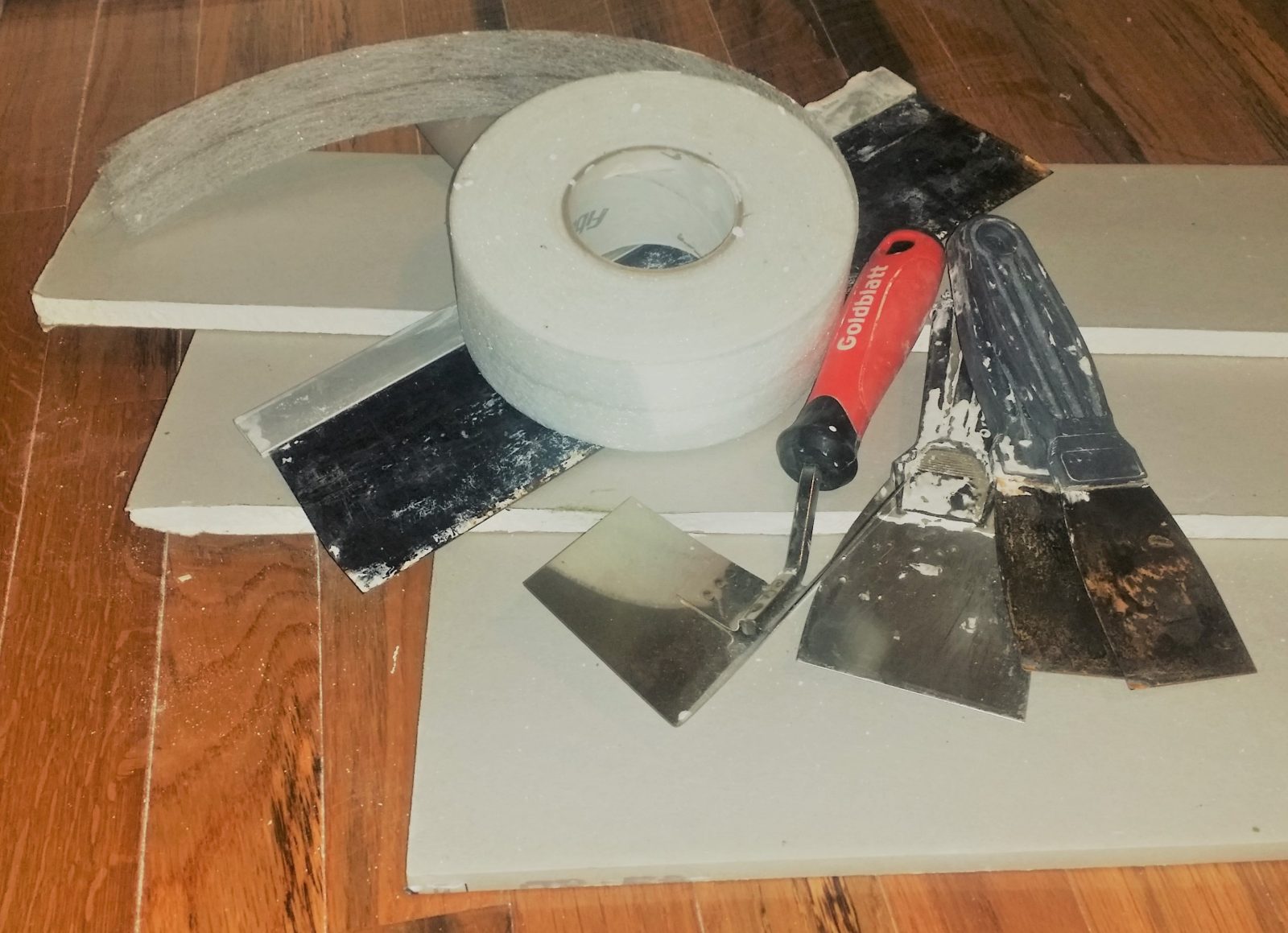
Gypsum board finish involves fixing pre-manufactured boards directly to a wall (bonded or on a light batten/adhesive dab system) rather than building up a wet render by hand. Joints are taped and skimmed with a thin jointing compound, giving a paint-ready surface without a full wet plaster coat.
Advantages
- Faster application — boards go up and are jointed in days, not weeks, with no multi-day drying between coats
- Consistent, factory-controlled flatness — less dependent on individual plasterer skill than a full wet render
- No wet trade curing time — following trades (paint, joinery) can start sooner, which matters on fixed handover dates
- Cleaner site — no mixing bays, less water and debris underfoot
Limitations
Board joints, however well taped, can telegraph as fine hairline lines under raking light from certain fixtures. Standard boards also have limited moisture tolerance unless a moisture-resistant board is specified, and impact resistance is lower than a solid plaster coat over block unless a higher-density board is used.
Traditional Wet Plaster Finish
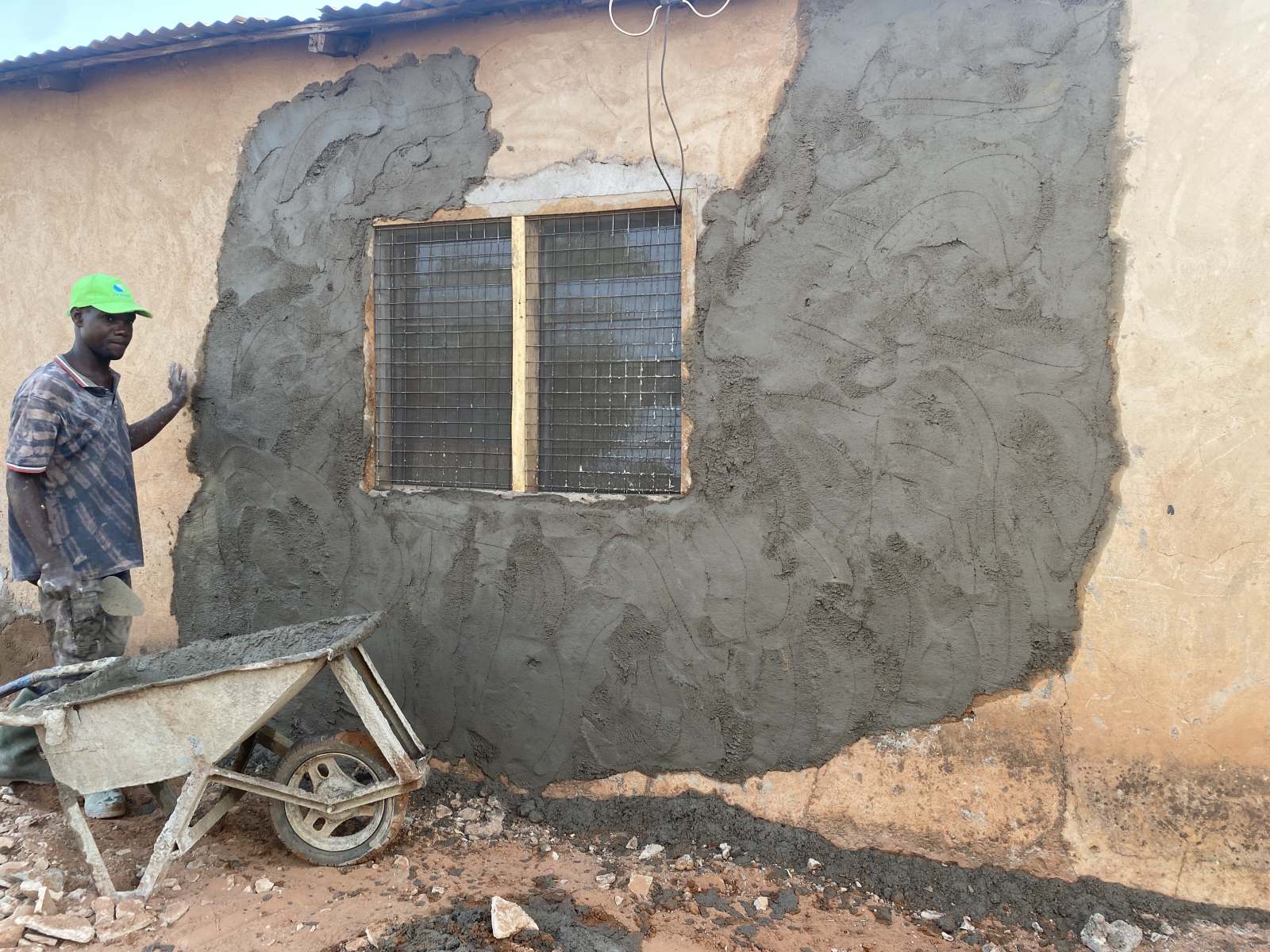
Wet plaster (cement or gypsum-based render) is applied by hand in one or more coats directly onto block or concrete, then trowelled to a smooth finish. It's the finish most UAE villas and older commercial buildings were originally built with, and it remains common where a monolithic, seamless surface is wanted with no visible joints at all.
Advantages
- Seamless, joint-free surface — no risk of joint lines showing through paint or wallpaper over time
- Better raw impact and abrasion resistance once fully cured, useful in corridors and back-of-house areas
- Naturally follows curved or irregular surfaces that board sheets can't easily wrap
Limitations
Wet plaster needs proper curing time before painting — rushing this in the UAE's heat is a common cause of hairline cracking and paint failure later. It's also more labour-intensive, harder to patch invisibly, and more dependent on the individual plasterer's finishing skill.
Comparing the Two on What Actually Matters
Application Speed
Gypsum board finish wins clearly — a dry-lined room can be paint-ready in under a week; a wet-plastered room needs multiple coats and curing days before it's ready for paint, especially where humidity slows drying.
Finish Quality
Wet plaster gives a fully seamless surface with no joint risk; a well-taped gypsum finish is close but a trained eye can sometimes spot joint lines under strong side-lighting, particularly in corridors with wall-washer fixtures.
Moisture Tolerance
Standard gypsum board is not naturally moisture-tolerant — for washrooms, kitchens and external-facing walls, either a moisture-resistant (green) board or a cement-based wet plaster is the safer specification.
Repairability
A dented gypsum board section can be cut out and patched relatively cleanly. Wet plaster patch repairs are harder to blend invisibly, since matching an existing hand-trowelled texture and paint sheen exactly is difficult.
Cost per Square Meter
Gypsum board finish is typically cheaper installed once labour and programme time are factored in, since it needs fewer site-days per square meter. Wet plaster can be cost-competitive on smaller jobs or where a contractor already has a plastering crew mobilized, but scales up in cost on large areas due to labour intensity.
How UAE Contractors Typically Decide
- Fast-track office and retail fit-outs — gypsum board finish, for speed and predictable programme
- High-end villas wanting a fully seamless wall — wet plaster, accepting the longer programme
- Washrooms and wet areas — moisture-resistant board or cement plaster, never standard board
- Renovation of existing block walls with irregular surfaces — wet plaster, or a skim coat, to correct unevenness economically
How Al Namariq Group's Building Materials Division Can Help
We supply gypsum boards, jointing compounds, plaster and the accessories both finish types need, so contractors can specify the right finish per room without switching suppliers mid-project. Talk to our team about material take-offs for your next fit-out or villa finishing package.

Comments (0)